Faster employees. Where is the business return?
Zhidx examines the distance between individual AI productivity gains and company-level growth.
Zhidx · 15 min read AI JournalArtificial intelligence / source-attributed readingArticle index
An attributed analysis of the argument that access to intelligence could become a concentrated economic resource.
AI elites might hoard intelligence like mercantilists hoarded gold

If you only think about lost jobs when you think about AI, you're missing how much intelligence people will be able to use. That's the argument from engineer Venkatesh Rao in an essay on his tech blog "Contraptions." Rao compares AI fear to mercantilism, the economic doctrine that preceded capitalism. Mercantilists treated wealth like land and gold as finite, and ordinary people counted only as labor. Many elites now treat intelligence the same way, as a scarce, dangerous resource that experts should manage, keep expensive, and withhold from rivals. They see openly available AI models as a threat, and some AI executives exploit safety fears for political influence.
In early capitalism, people voluntarily worked 300 days a year instead of 250 to buy tea or sugar. AI could trigger something similar, Rao says. People might think more, not less, because AI makes projects feasible that were previously too hard or too costly. Demand for ideas would grow rather than making people obsolete. The political focus should be fair access to AI rather than protecting legacy knowledge jobs. Even AI agents could pursue their own projects and create new demand for intelligence, Rao argues. Autonomous AI needs guardrails, but it shouldn't just follow orders.
The Decoder · Manuel Uth
Article and image rights remain with the original rights holders. No blanket reuse permission is granted by this site.
For corrections or rights enquiries, contact the site.
Zhidx examines the distance between individual AI productivity gains and company-level growth.
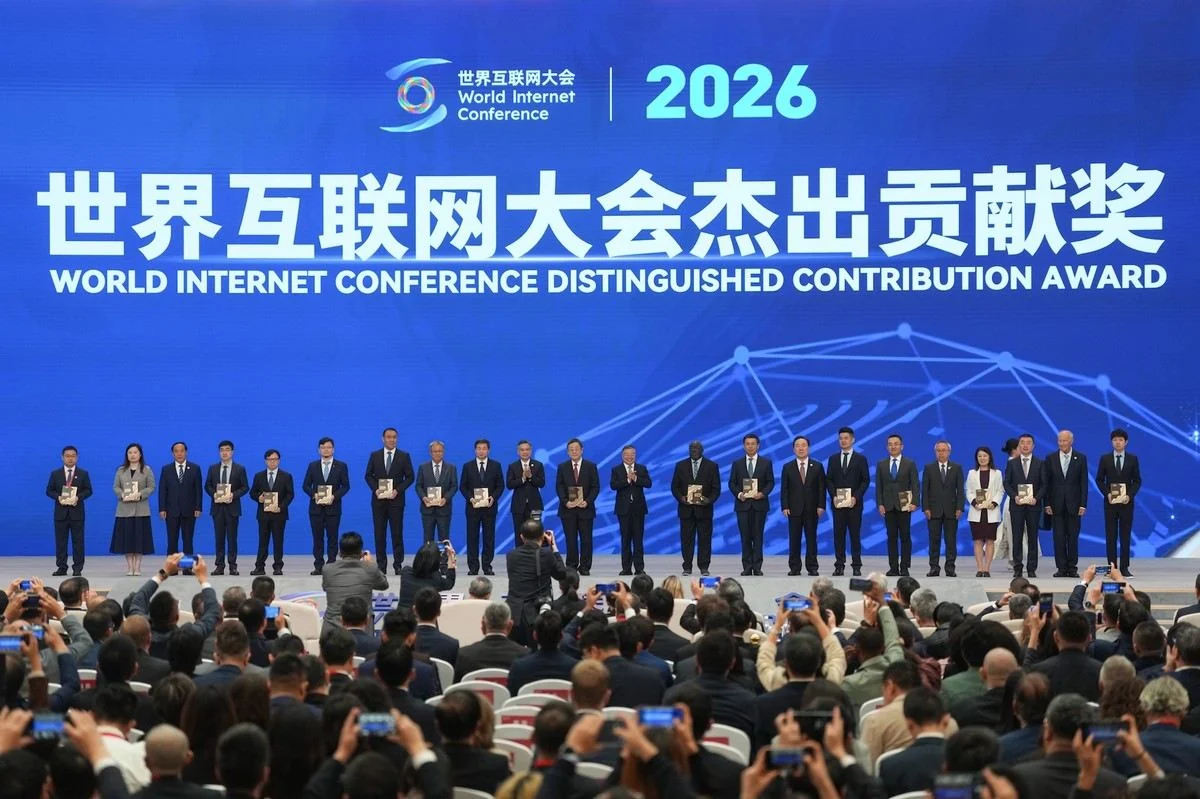
Zhidx · 15 min readQbitAI reports on the AI data platform and the recognition it received.
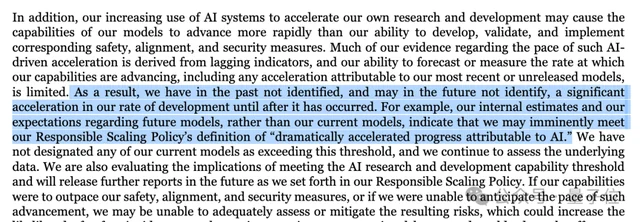
QbitAI / Liangziwei · 3 min readSource reporting on Anthropic’s revised prospectus and its discussion of AI development.
QbitAI / Liangziwei · 3 min read